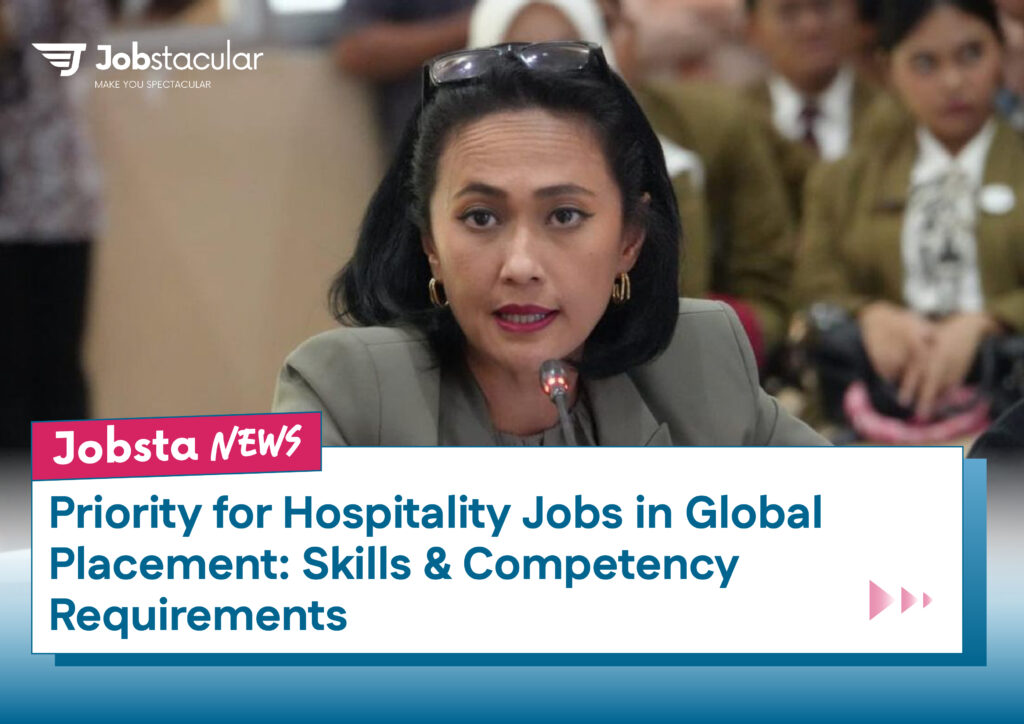
The Indonesian government continues to emphasize the importance of skill and competency development for migrant workers, particularly in the hospitality sector, as part of its international placement strategy. According to national placement data, more than 90,000 job orders across 32 countries have been listed for Indonesian workers in fields including spa therapy, housekeeping, and restaurant service.
Countries with strong demand for Indonesian hospitality talent include Turkey, Croatia, the United Arab Emirates, Kuwait, and Malaysia, where roles such as waiter, spa therapist, cleaner, and cook are in high demand. Government representatives emphasize that Indonesian workers must focus on service skills and professional competencies to meet international expectations.
This focus underscores how hospitality remains one of the key sectors in global job placements and highlights the need for continuous training and readiness.
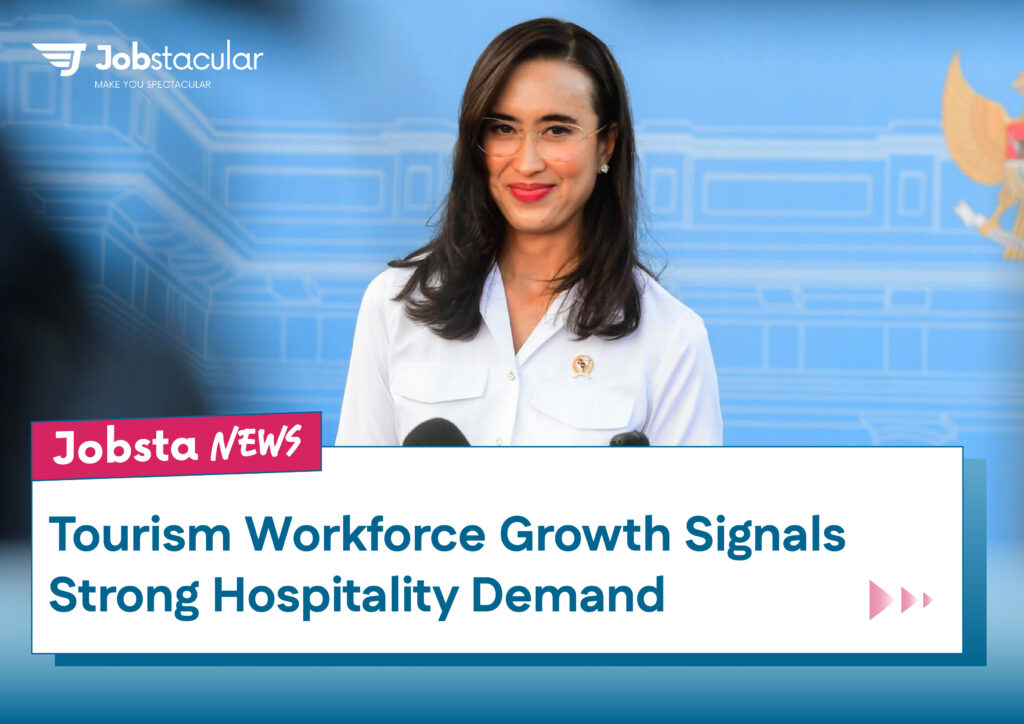
Indonesia’s tourism workforce rose to 25.01 million workers in 2024, marking a 2.5% increase from the previous year, according to the Ministry of Tourism. The growth mirrors strong increases in both international and domestic travel as global tourist arrivals rebounded significantly.
This development has direct implications for the hospitality industry, as more workers are needed to support hotel, resort, and service roles that cater to millions of visitors. With strong government policies fostering tourism growth and rising visitor numbers, demand for trained hospitality professionals is expected to continue rising.
As the tourism workforce expands, Indonesian workers with hospitality skills are positioned to benefit from increasing employment opportunities both domestically and abroad.
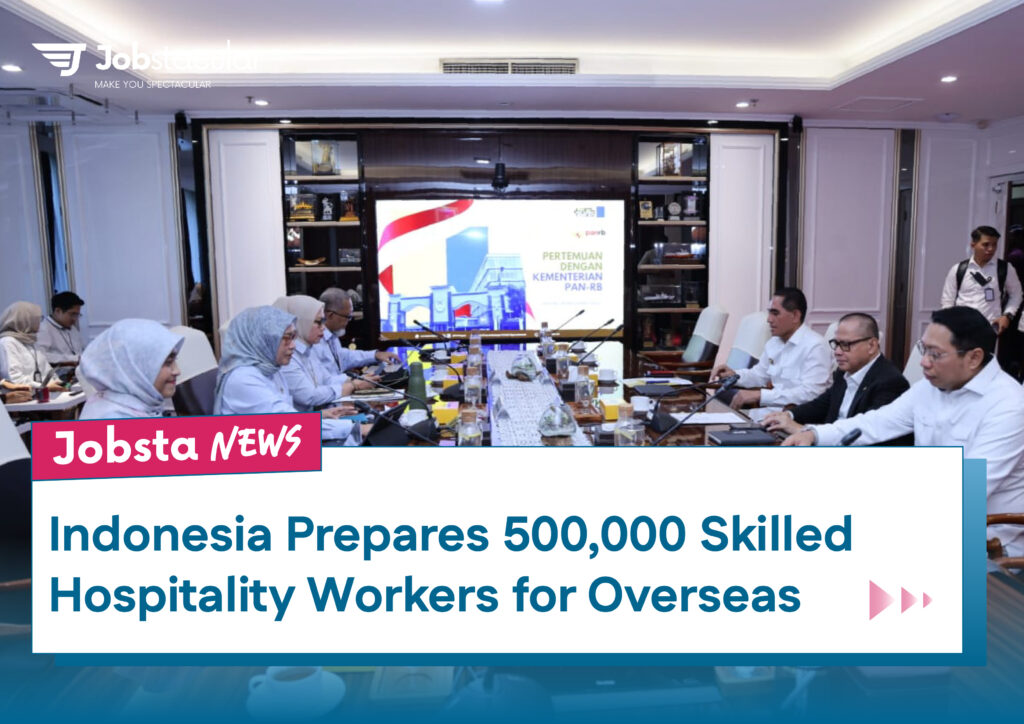
The Indonesian government is stepping up efforts to prepare a new generation of skilled workers for the global job market, including in the hospitality sector. In a recent cabinet meeting, national leaders directed ministries to coordinate a program targeting 500,000 skilled migrant workers by 2026, with emphasis on sectors such as hospitality and welding.
The initiative is led by the Ministry of Migrant Worker Protection (P2MI) with support from other government agencies and aims to align Indonesia’s workforce with international demand. Hospitality professionals are prioritized due to strong demand for service excellence in hotels, resorts, and tourism hubs worldwide.
This large-scale strategy is designed to enhance competitiveness and ensure Indonesian candidates are prepared for overseas placement through formal and professional channels.
Many candidates fail international hotel interviews not because of a lack of skills, but due to avoidable mistakes. Insufficient preparation and unclear communication are among the most common issues.
Recruiters expect honest answers, professional behavior, and consistent confidence throughout the interview process. Speaking without structure or appearing unprepared can reduce a candidate’s chances.
By offering interview simulations and feedback, JIS Academy helps candidates identify and avoid these common mistakes before facing international recruiters.
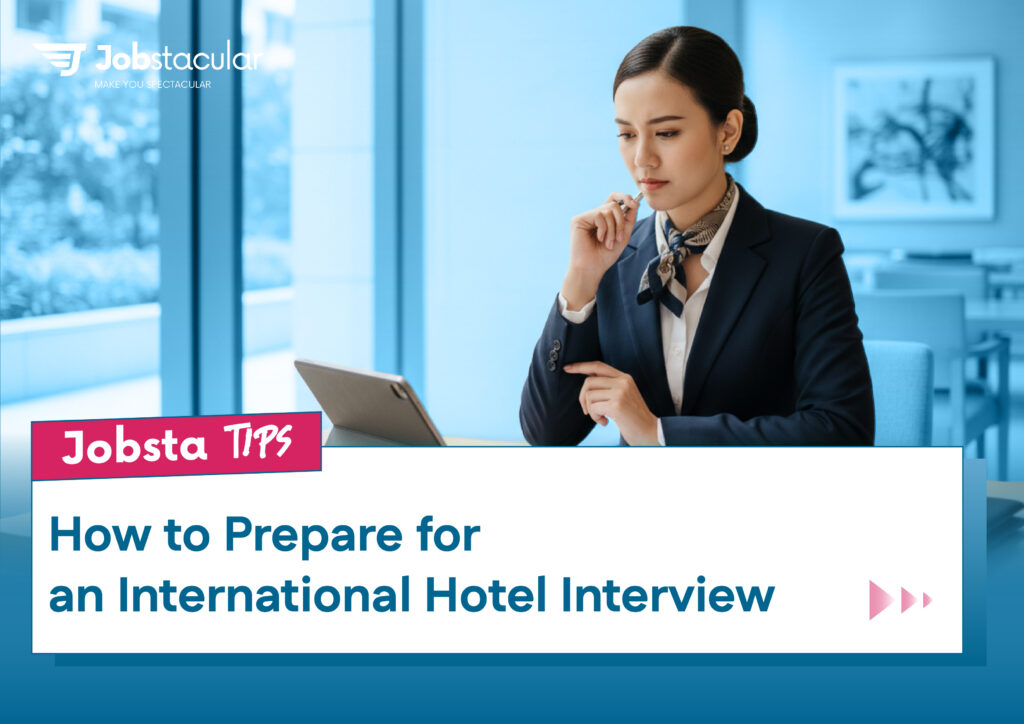
Proper preparation can significantly increase a candidate’s chances of success in an international hotel interview. Understanding the interview flow and recruiter expectations helps candidates feel more confident and focused.
Candidates should pay attention to grooming, clear communication, and structured answers. Highlighting relevant hospitality experience or a strong willingness to learn can also make a positive impact. Familiarity with international service standards is an added advantage.
JIS Academy supports candidates by providing practical interview guidance and insights based on real international recruitment experiences.
Working in international hotels requires more than just technical skills. Recruiters pay close attention to a candidate’s attitude, communication ability, and readiness to adapt to a global working environment.
One of the most important aspects is professional attitude. Candidates who show politeness, confidence, and respect during interviews tend to leave a stronger impression. English communication skills also play a crucial role, as international hotels operate in multicultural environments.
In addition, recruiters value candidates who demonstrate flexibility, teamwork, and a service-oriented mindset. Through structured preparation and interview simulations, JIS Academy helps candidates understand these expectations and prepare for international recruitment processes.Key Skills Recruiters Look for in International Hotel Interviews