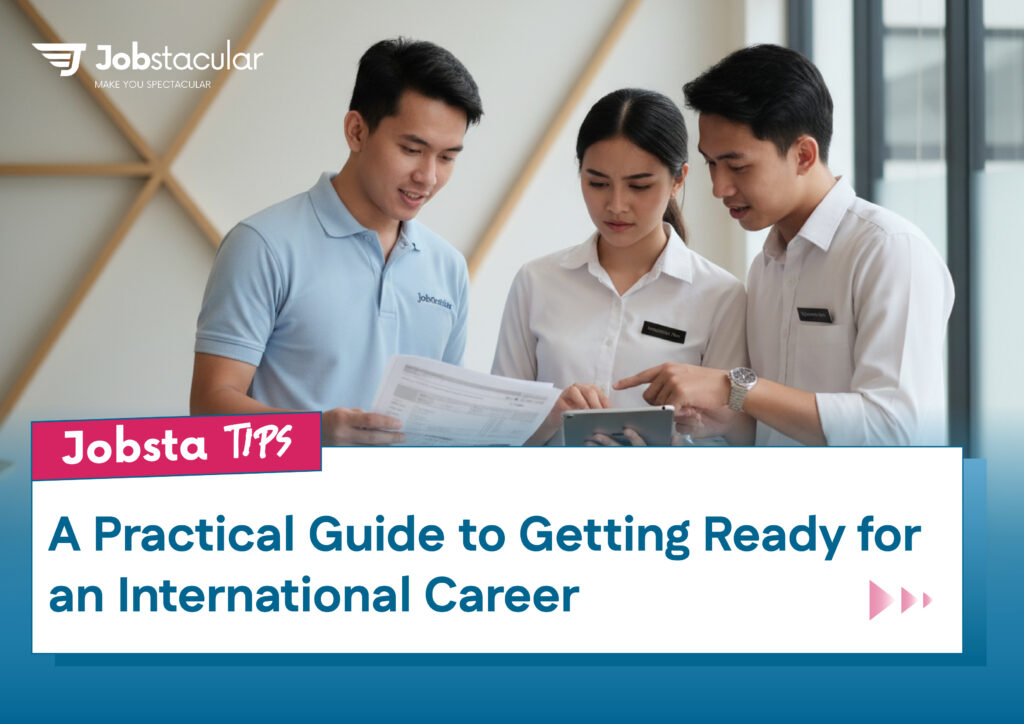
Starting a career abroad is a major decision that requires more than just ambition. Proper preparation is essential to ensure a safe, legal, and sustainable working experience overseas. Below are key steps every candidate should consider before pursuing international employment.
Define Your Career Goal and Destination
Before anything else, identify the type of job you are aiming for and the country that best matches your skills. Different destinations offer different work cultures, expectations, and career paths.
Understand Legal Pathways and Documentation
Working abroad requires proper documentation such as work visas, contracts, and permits. Candidates should only proceed through legal and transparent recruitment channels to avoid unnecessary risks.
Learn About International Work Culture
Adapting to a new work environment can be challenging. Understanding workplace discipline, communication style, and cultural norms helps candidates adjust faster and perform professionally.
Prepare a Globally Acceptable CV
An international-standard CV should highlight relevant experience, skills, and professionalism. Clear structure and concise information are key elements recruiters look for.
Build Basic Language and Communication Skills
Even basic proficiency in English or the local language can significantly improve workplace interaction and confidence, especially in service-oriented industries.
Plan Your Financial Readiness
Candidates should prepare savings for initial living costs, emergency needs, and daily expenses. Financial readiness provides stability during the adjustment period abroad.
Secure Accommodation and Living Arrangements
Knowing where you will stay upon arrival is crucial. Whether provided by the employer or arranged independently, accommodation details should be confirmed in advance.
Understand Your Rights as an Overseas Worker
Awareness of labor rights, working hours, insurance, and contract terms is essential to ensure fair treatment and personal protection while working abroad.
Build a Support Network Early
Connecting with professionals, communities, or fellow workers abroad can help candidates adapt more smoothly and gain practical insights.
Strengthen Mental Readiness and Flexibility
Working overseas involves challenges such as cultural differences and homesickness. A positive mindset and adaptability are key to long-term success.
Conclusion
Building an international career requires careful preparation, legal awareness, and a strong understanding of global work standards. Candidates who take the time to plan their journey, prepare their skills, and understand the recruitment process are better positioned for long-term success abroad.
As an international recruitment platform, Jobstacular supports this preparation process by guiding candidates through structured screening, interview readiness, and access to trusted international employers. Through responsible recruitment practices, Jobstacular aims to help Indonesian talent pursue overseas careers safely, professionally, and with confidence.
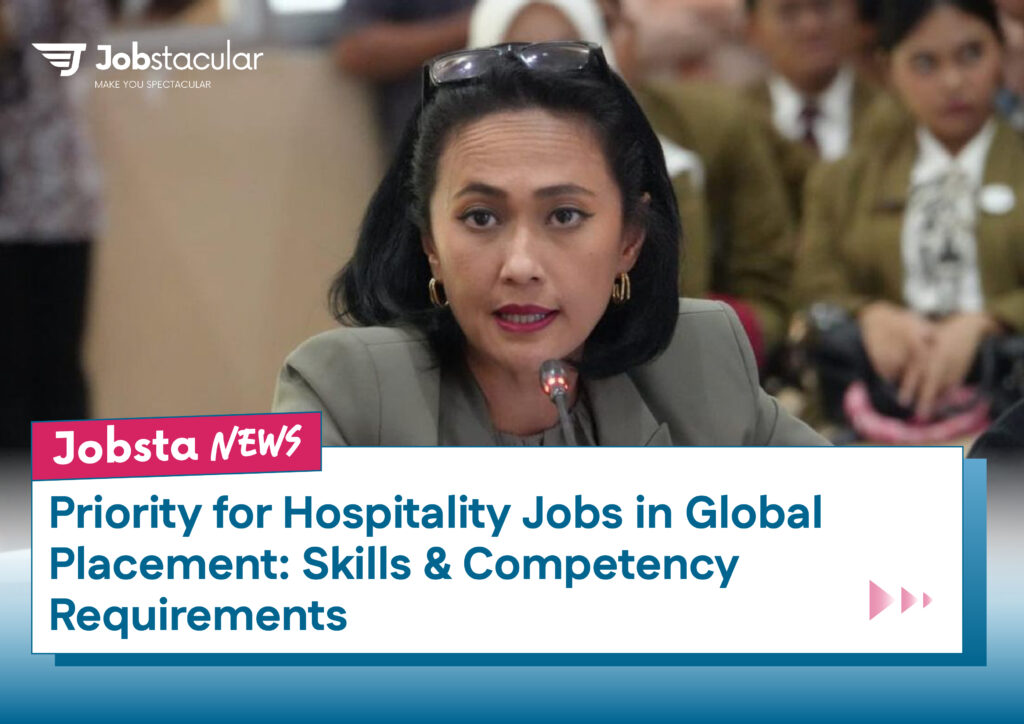
The Indonesian government continues to emphasize the importance of skill and competency development for migrant workers, particularly in the hospitality sector, as part of its international placement strategy. According to national placement data, more than 90,000 job orders across 32 countries have been listed for Indonesian workers in fields including spa therapy, housekeeping, and restaurant service.
Countries with strong demand for Indonesian hospitality talent include Turkey, Croatia, the United Arab Emirates, Kuwait, and Malaysia, where roles such as waiter, spa therapist, cleaner, and cook are in high demand. Government representatives emphasize that Indonesian workers must focus on service skills and professional competencies to meet international expectations.
This focus underscores how hospitality remains one of the key sectors in global job placements and highlights the need for continuous training and readiness.
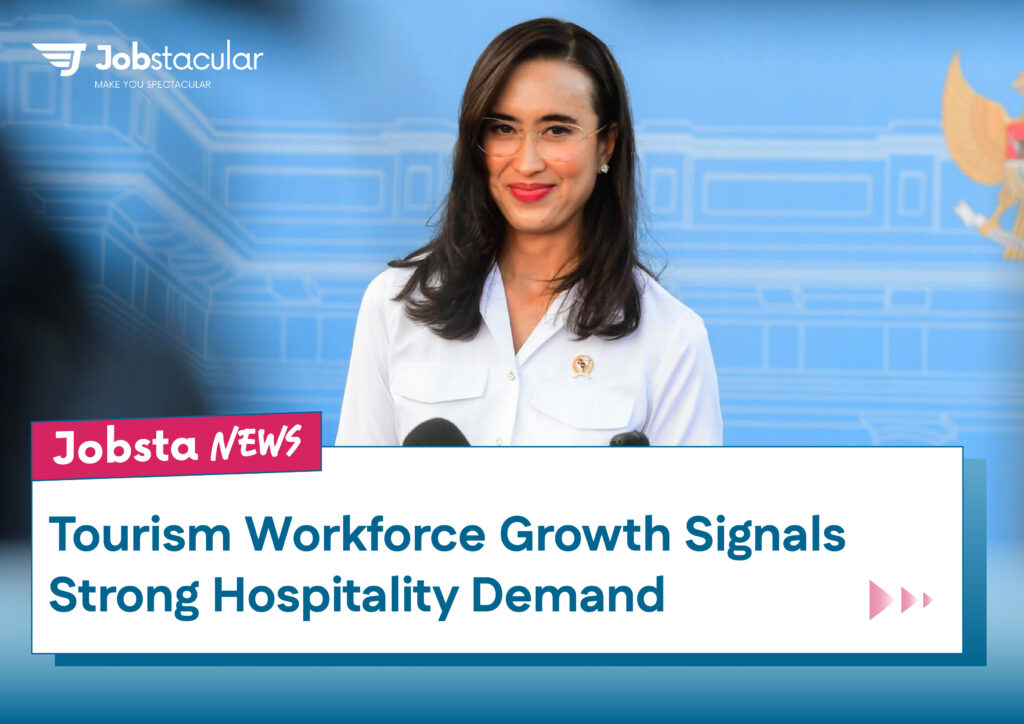
Indonesia’s tourism workforce rose to 25.01 million workers in 2024, marking a 2.5% increase from the previous year, according to the Ministry of Tourism. The growth mirrors strong increases in both international and domestic travel as global tourist arrivals rebounded significantly.
This development has direct implications for the hospitality industry, as more workers are needed to support hotel, resort, and service roles that cater to millions of visitors. With strong government policies fostering tourism growth and rising visitor numbers, demand for trained hospitality professionals is expected to continue rising.
As the tourism workforce expands, Indonesian workers with hospitality skills are positioned to benefit from increasing employment opportunities both domestically and abroad.
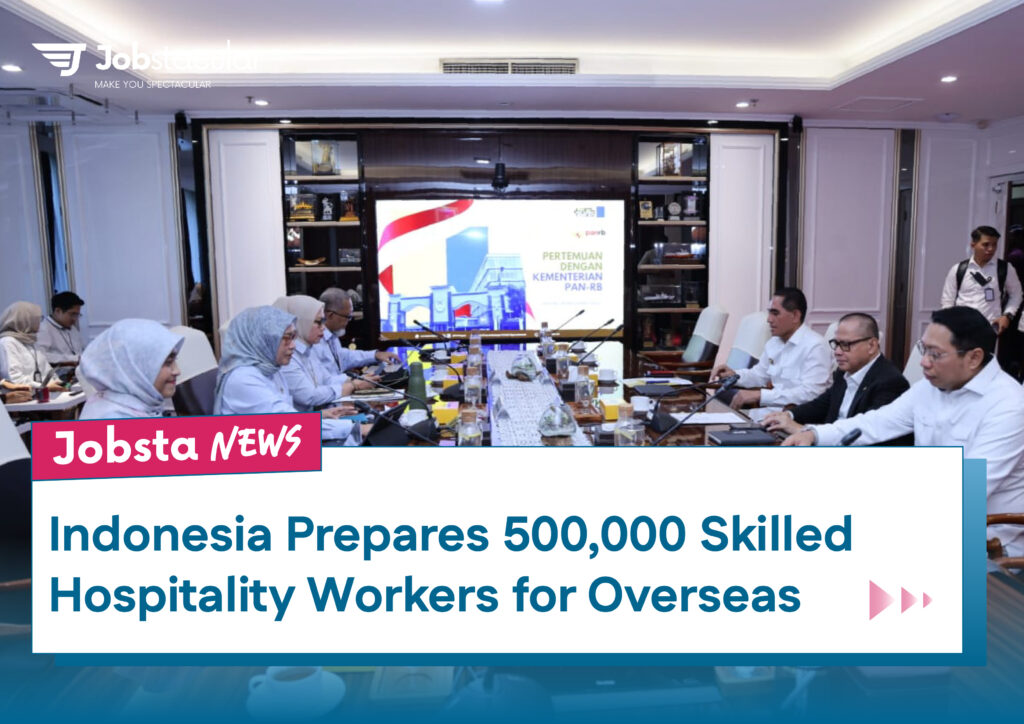
The Indonesian government is stepping up efforts to prepare a new generation of skilled workers for the global job market, including in the hospitality sector. In a recent cabinet meeting, national leaders directed ministries to coordinate a program targeting 500,000 skilled migrant workers by 2026, with emphasis on sectors such as hospitality and welding.
The initiative is led by the Ministry of Migrant Worker Protection (P2MI) with support from other government agencies and aims to align Indonesia’s workforce with international demand. Hospitality professionals are prioritized due to strong demand for service excellence in hotels, resorts, and tourism hubs worldwide.
This large-scale strategy is designed to enhance competitiveness and ensure Indonesian candidates are prepared for overseas placement through formal and professional channels.